




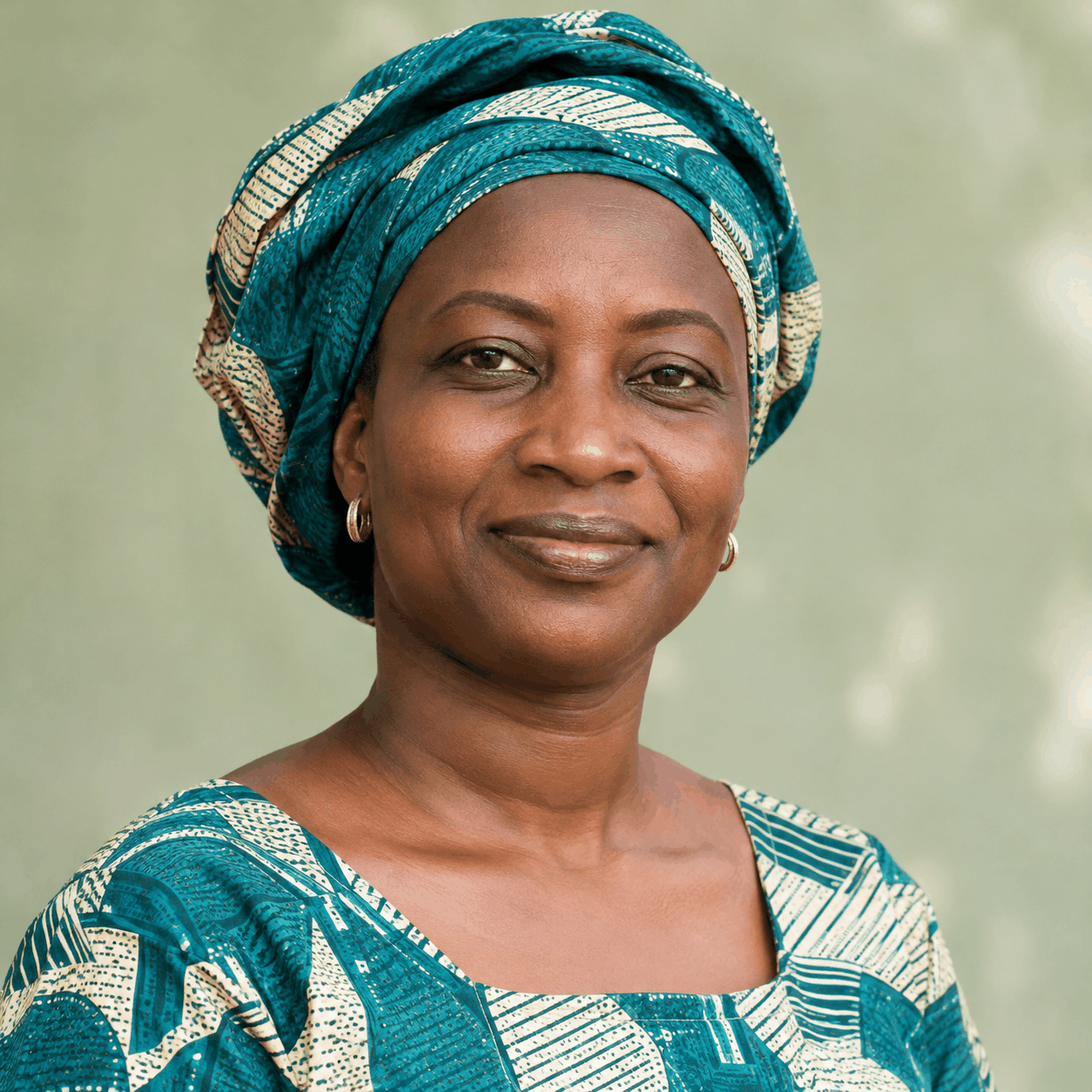
Community participation
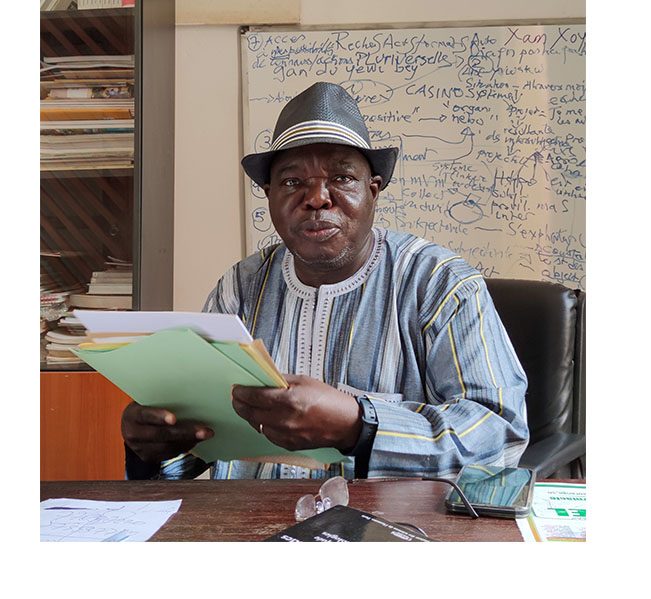
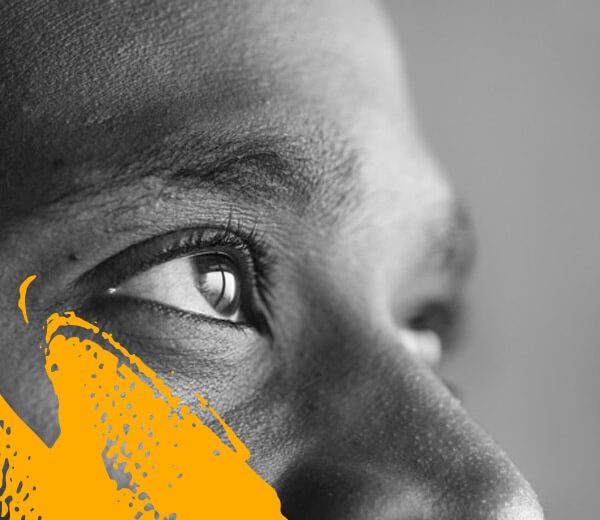
“Being heard and taking part in the decisions that affect us: this is how we want to shape our community’s future.”
ENDA Graf SahelEnda Sahel andENDA GRAF SAHEL
Enda Sahel and West Africa
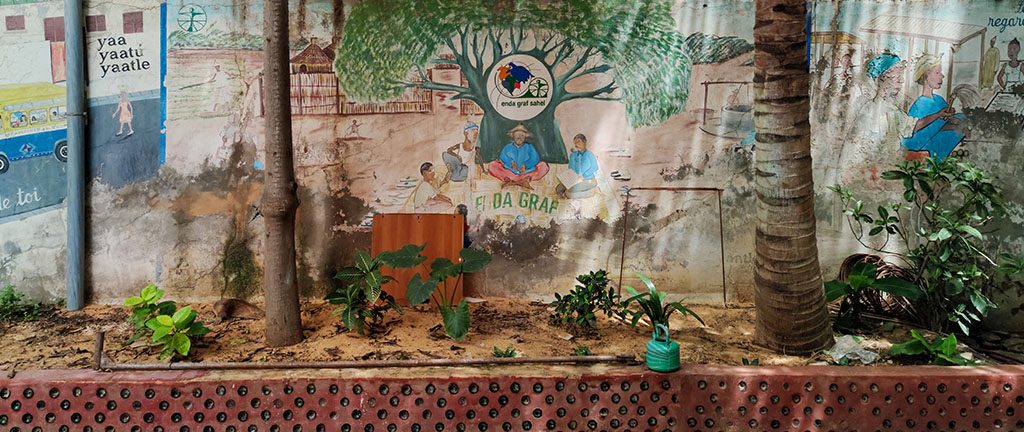
Enda Sahel and West Africa, referred to here as Enda Graf Sahel, is a member of the international NGO Enda Tiers Monde. It has developed research into alternative approaches to development, addressing the many dimensions of impoverishment and recognising the value of local initiatives.
Today, Enda Graf Sahel contributes to the mission of Enda Tiers Monde: building a political community in which all members, aware of their own interests, those of others and their interrelationships, take full responsibility for collective governance. It pursues this through action research in several regions of Senegal.
Organisationally, in addition to its links with the statutory bodies of Enda Tiers Monde, Enda Graf Sahel is structured into thematic areas, each developing several activity programmes. Each programme is entrusted to an experienced programme officer. The Executive Secretary of Enda Graf Sahel oversees the organisation as a whole.
Enda Sahel and West Africa, referred to here as Enda Graf Sahel, is a non-profit association under Senegalese law, recognised under No. MINT 11485. Enda Graf Sahel is also recognised as an NGO by Ministerial Order No. 005955 of the Ministry of the Family and National Solidarity, dated 28 August 2006. Enda Graf Sahel is registered in Senegal’s commercial register under NINEA 26847030RO.


The wealth of community initiatives in Senegal is remarkable, across all sectors, fields and scales.
Unfortunately, the State’s efforts and attempts to provide a framework for these initiatives tend to stifle them rather than help them grow.
Yet the State has sought to move closer to communities, giving them more power, freedom and scope for initiative, particularly through decentralisation. But administrative operating requirements have diverted the wealth generated by these initiatives: the State has created a new form of centralisation.
As a result, public services have become inadequate and unable to meet the social demands expressed through these initiatives. The State is overwhelmed and, instead of encouraging private initiatives, fears them, ignores them or sees them as opposition. When these initiatives are not recognised, they become isolated, radicalised and may develop separatist tendencies by moving outside official, or even legal, frameworks.
There is therefore an urgent need to bring private initiatives and public policy closer together, fostering dialogue and new forms of governance.
ENDA Graf Sahel is dedicated to building these links between the State, whose role is often challenged, and the people leading initiatives that generate local, regional and national wealth.
For ENDA Graf Sahel, poverty is above all political. Most citizens are excluded economically and socially from defining the rules that shape society. ENDA Graf Sahel promotes political change and a transformation of the social order that would restore solidarity, social justice and the fulfilment of all parts of Senegalese society to the heart of collective life.
ENDA Graf Sahel works both with individuals—recognising their value and supporting their exercise of civic power—and with institutions, bringing stakeholders into the development of public policy. This means going beyond purely negative responses, such as systematic opposition to those in power or outright refusal, to focus on constructive approaches, including negotiation and proposals.

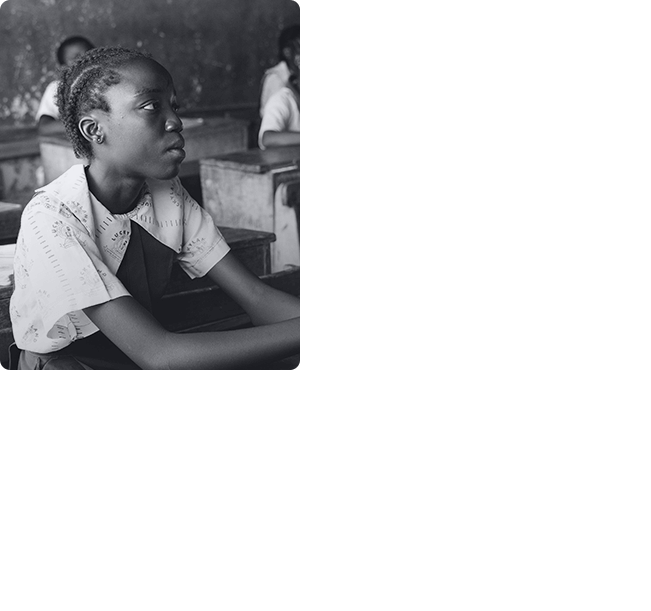
Access to education helps communities escape poverty, deepens our understanding of the world around us and offers better opportunities for all, especially girls. Goal 4b is to ensure that everyone has access to education, whoever they are and wherever they live.

It is important to influence individual and collective social norms to change attitudes and behaviours and strengthen solidarity.

Promoting a people-centred circular economy helps strengthen and protect vulnerable communities.
There is enough food to feed everyone, yet many people, including children, still do not have enough to eat.

When people are healthy, societies thrive. Much has been done in recent years to reduce the impact of certain diseases, but real progress will only be achieved when everyone, including women and children, has access to care.

Governance aims to promote access to justice for all and the rule of law, transparency and democratic responsibility (accountability), protection of fundamental freedoms, freedom from discrimination and participation, and, more broadly, the quality of institutions...

We all belong to the global ecosystem. Our goal is to put an end to threats to our shared home on Earth.

Building next-generation ICT infrastructure will enable the development of smart and sustainable cities and communities worldwide. Expanding access to ICT will foster local innovation, stimulate national economic growth, create decent work and reduce inequalities.
Gender equality—equal access to education, health care and decent work—can only benefit society as a whole.
Billions of people around the world lack access to clean water and sanitation, a human right that many of us take for granted. Water scarcity and inadequate sanitation carry an enormous cost, especially because many people, particularly children, die from related diseases every year.

Promoting aquaculture as a contribution to food security helps establish sustainable fisheries.

Culture is who we are: a fundamental part of our identity. Placing culture at the heart of development policy is the only way to achieve development that is people-centred, inclusive and equitable.

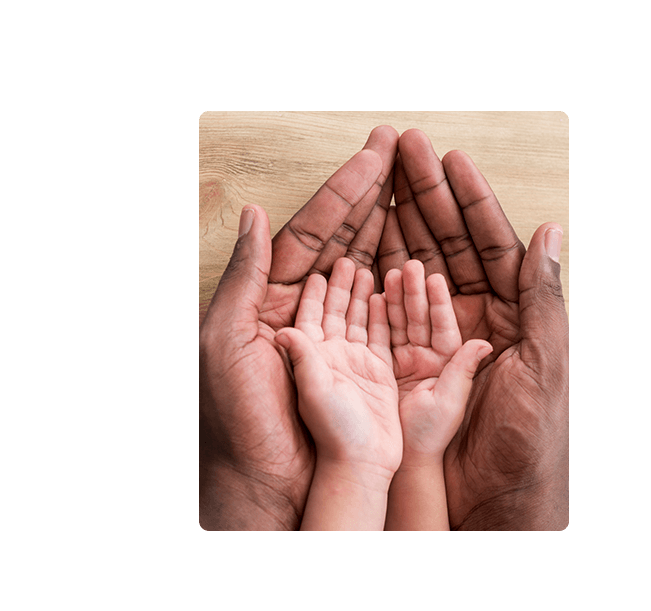

For us, volunteering is a way to connect with the world. Our areas of action—environment, health, governance, ICT (technology, innovation and communication), social and solidarity economy, food security, education, training and inclusion—allow you to broaden your horizons while supporting our overall goal of “ building a political community in which all members, aware of their own interests, those of others and their interrelationships, take full responsibility for collective governance through action research in several regions of Senegal”.
Become an agent of change.



Community participation
“Being heard and taking part in the decisions that affect us: this is how we want to shape our community’s future.”
Learning and empowerment
“Learning, sharing our experiences and developing our skills help us move forward together.”
Partnership and solidarity
“A strong partnership is built on trust, listening and action developed with local communities.”
Dictum fusce ut placerat orci nulla. At auctor urna nun id cursus metus convallis aliquam posuere eleifend. Dictum fusce ut placerat orci nulla. At auctor urna nun id cursus metus convallis aliquam posuere eleifend.Dictum fusce ut placerat orci nulla. At auctor urna nun id cursus

At auctor urna nun id cursus metus convallis aliquam posuere eleifend.Dictum fusce ut placerat orci nulla. At auctor urna nun id cursus. Dictum fusce ut placerat orci nulla. At auctor urna nun id cursus metus convallis aliquam posuere eleifend. Dictum fusce ut placerat orci.